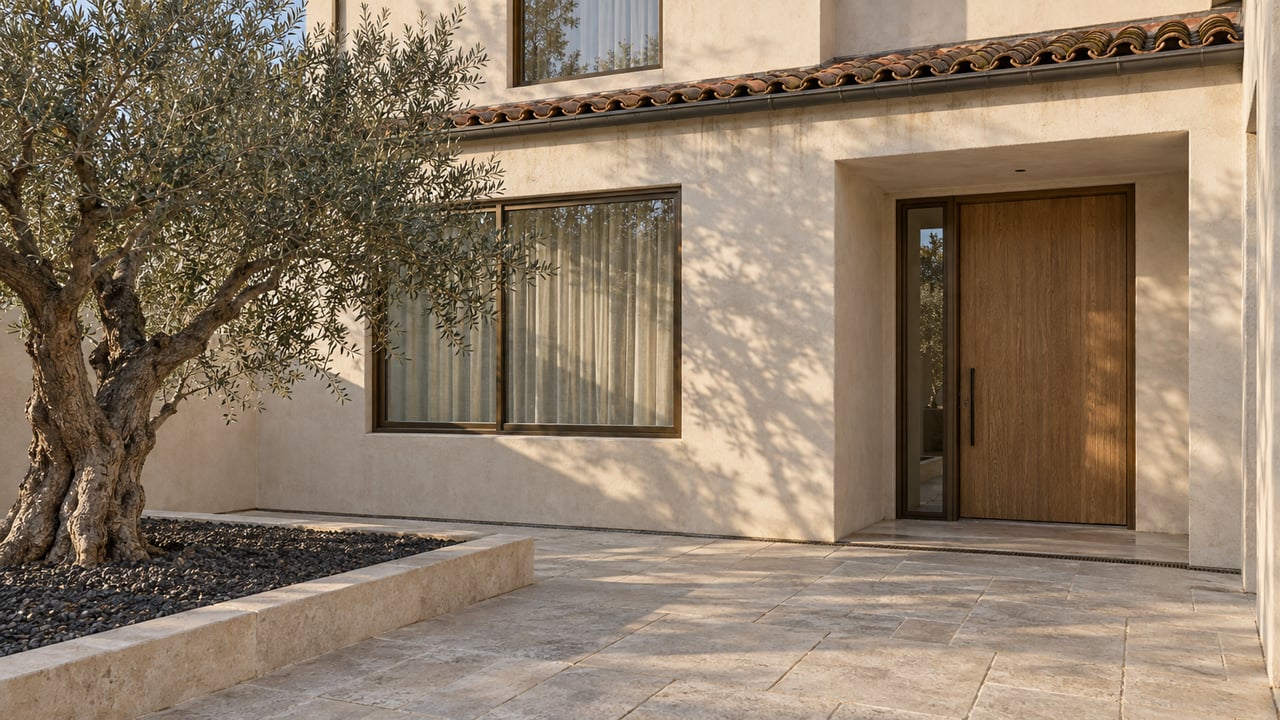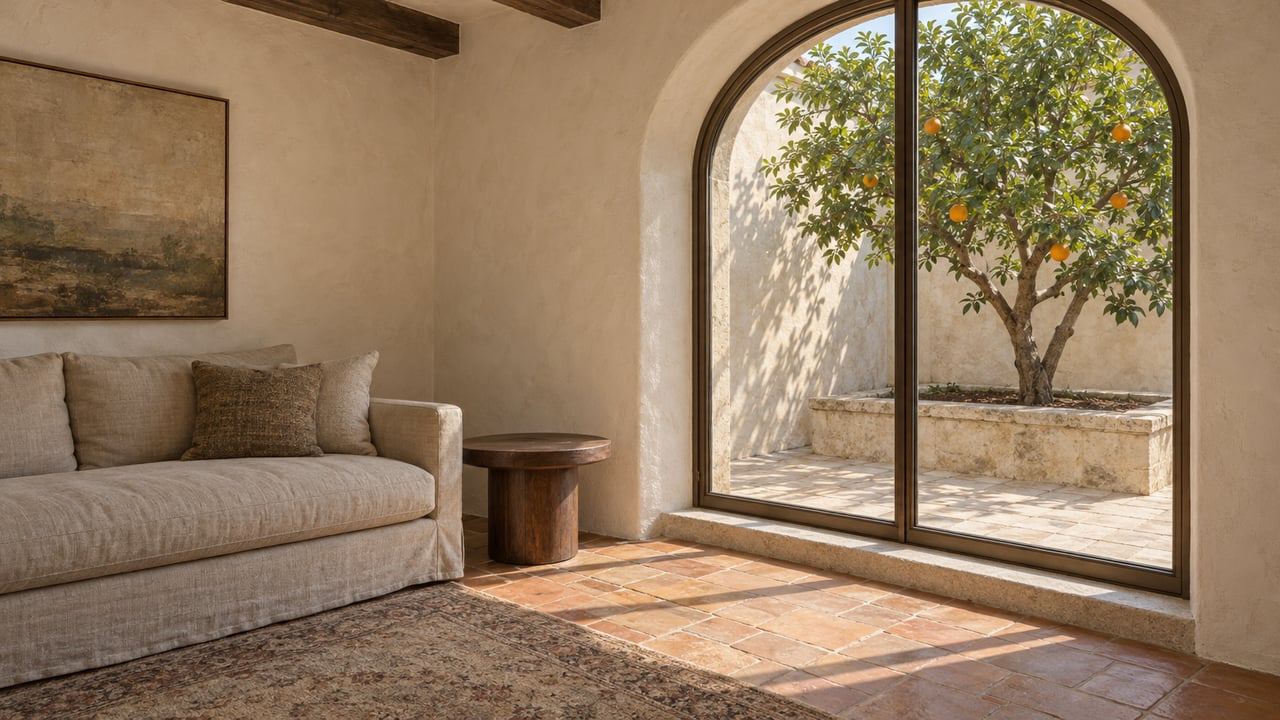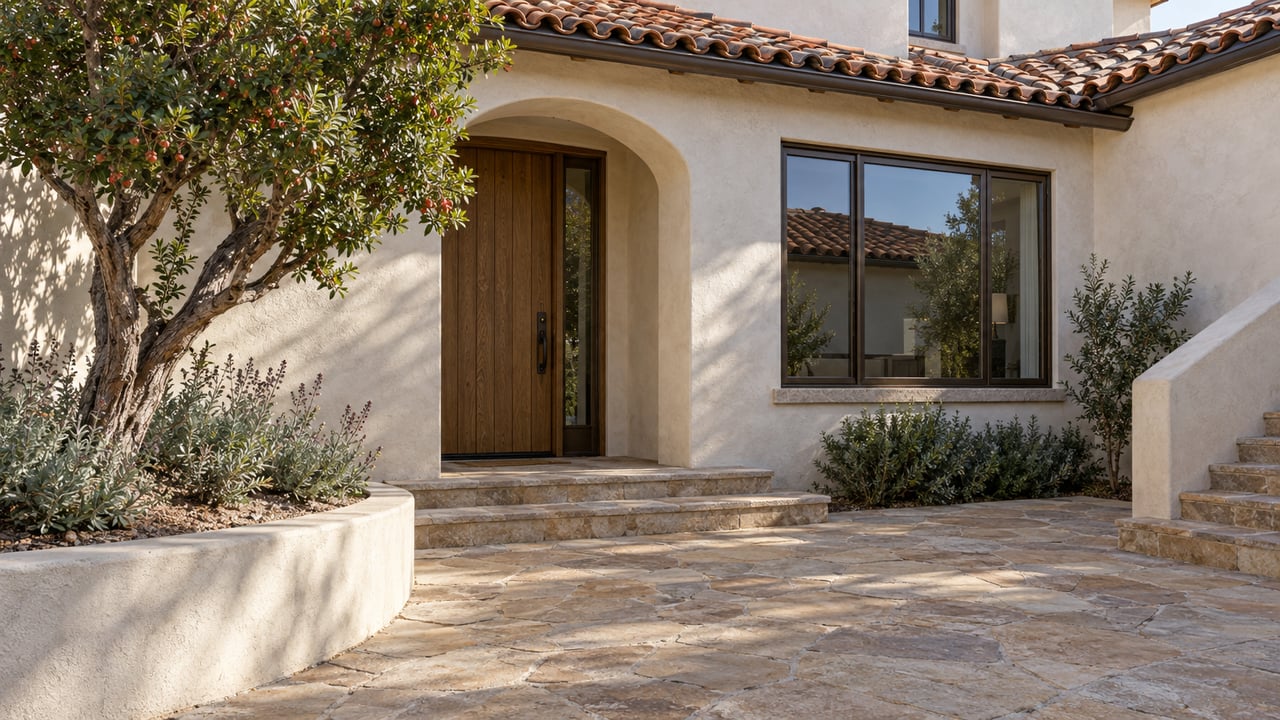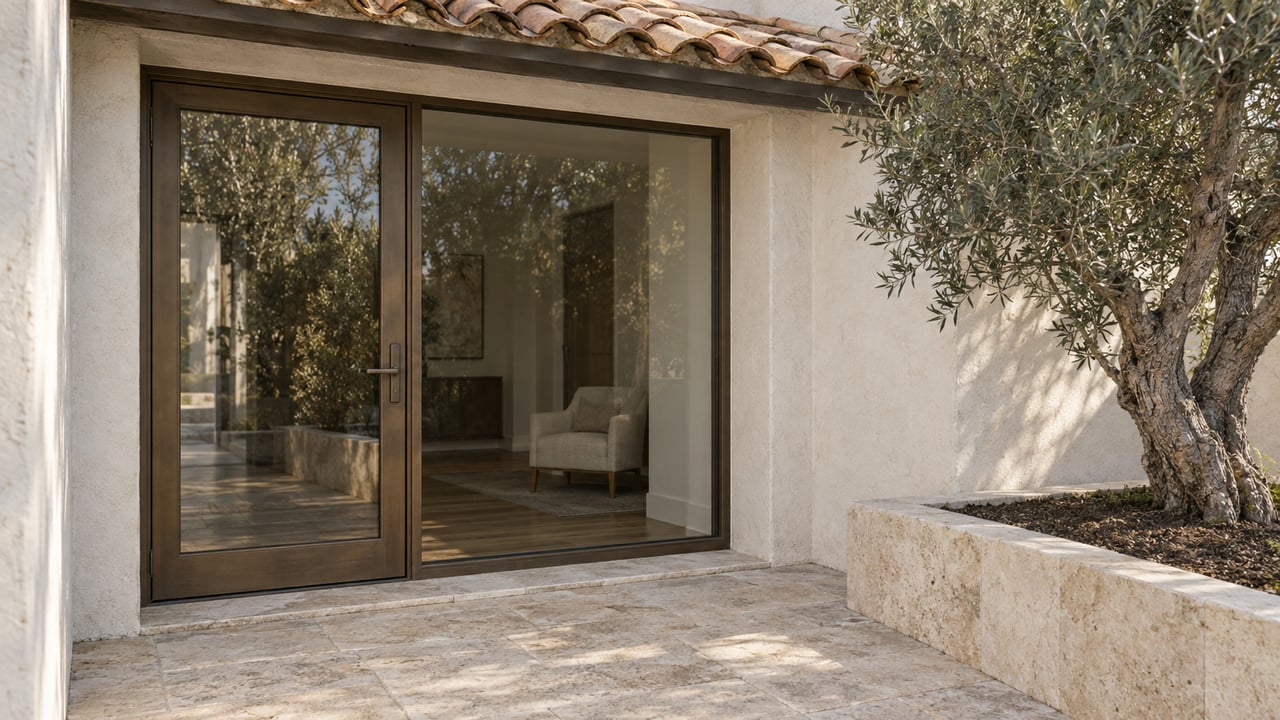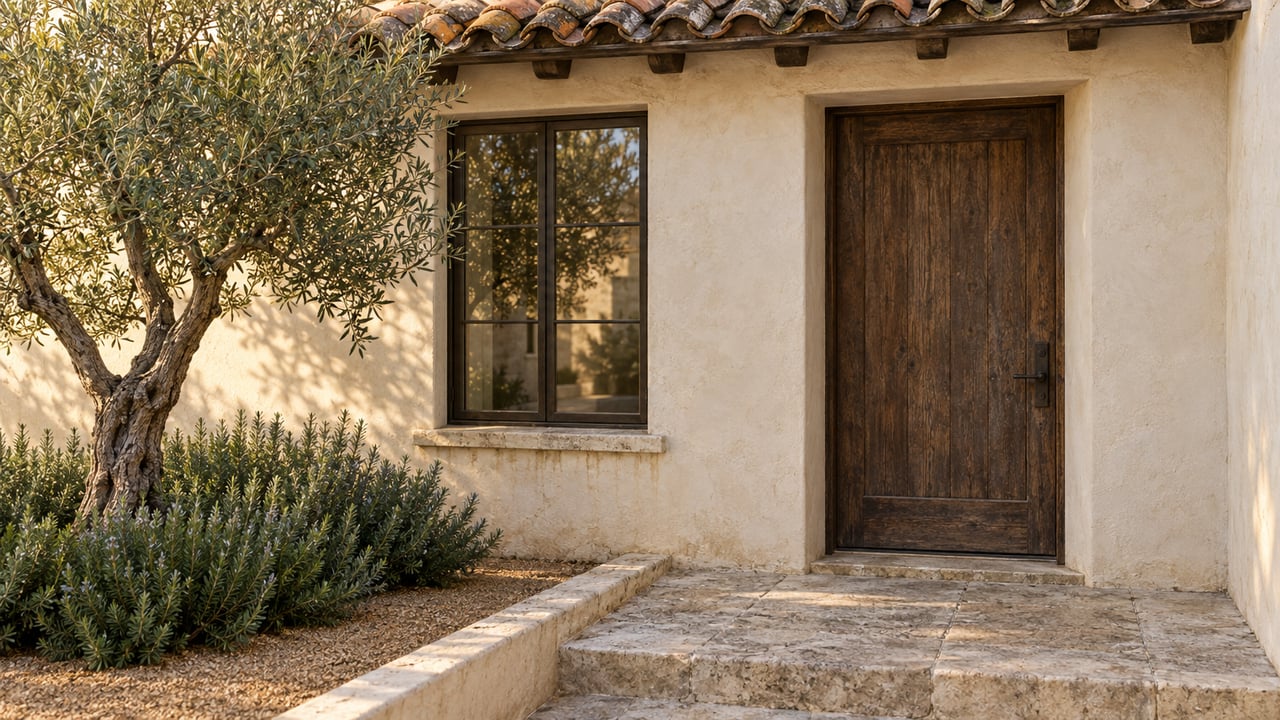
Los Rios Street sits across the railroad tracks from the Capistrano Depot, and it is the oldest continuously occupied residential street in California. Roughly forty homes line it today, including three adobes built in 1794 for the families who worked Mission San Juan Capistrano and its ranch: the Montañez, the Rios, and the Silvas. The district joined the National Register of Historic Places in 1983. A few of the old structures now house a café, a tea house, and the Blas Aguilar Adobe Museum, but the street has never stopped being, first, a place people live.
That last fact is the one buyers and sellers on this street run into first. San Juan Capistrano's citywide numbers, the ones that show up on every portal search and every market report, don't describe what happens on Los Rios. The median price for the 92675 zip code was reported near $1.8 to $1.85 million in the second quarter of 2026, with roughly 87 closed sales and average days on market in the mid-30s. Those figures come from a city where, as local reporting has pointed out, four distinct markets get folded into one number: historic adobe-era homes, gated custom estates, equestrian and large-lot properties, and townhomes and newer construction. Los Rios is the smallest and least active of the four. A street of forty homes, several of them centuries-old adobes that almost never change hands, does not generate enough transactions to move, or even register in, a citywide median. The number isn't wrong. It's just answering a different question than the one a Los Rios buyer or seller is asking.
The comp problem underneath the price
Standard home appraisal leans on recent, similar, nearby sales. That method assumes a pool of comparable properties exists. On Los Rios Street, it barely does. A San Juan Capistrano appraiser who has covered the district for years has described the honest problem plainly: with fewer than forty homes on the street and several of them adobes that rarely list, the comparable-sales pool is close to nonexistent. When that happens, an appraiser has to widen the lens to other historic-district or landmark-designated properties elsewhere in south Orange County, adjust hard for lot size, condition, and the specific character of the district, and lean more heavily on the cost approach and documented physical characteristics than a typical tract-home appraisal ever would.
That matters beyond the abstract question of what a home is worth. A thin-comp appraisal takes longer, costs more, and can produce a number that a lender's underwriter questions before it produces one a buyer and seller can agree on. Anyone financing a purchase on Los Rios should expect the appraisal to be the slowest step in the transaction, not the fastest.
Two formulas, one house
The appraisal problem is only half of what makes pricing on Los Rios unusual. The other half is a state law that gives these specific properties a second, entirely different way of being valued, this one for tax purposes rather than sale purposes.
Any building on San Juan Capistrano's Inventory of Historic and Cultural Landmarks, the city's own list that includes the Mission, downtown buildings, the Los Rios Street Historic District, the Mission Hill-Mission Flats neighborhood, and several 18th and 19th century adobes, can qualify for a Mills Act Contract. Once the City Council approves the contract and it's recorded with the county, the county assessor stops using the standard market approach for that property's tax bill and, according to the California Office of Historic Preservation, switches to an income capitalization method instead, the same math historically used to value income property, based on comparable rents rather than comparable sales. According to the county tax assessor's office, the resulting tax reduction on Mills Act properties in San Juan Capistrano can run 15 percent to 60 percent.
That's a real number worth verifying before a Los Rios purchase closes: does the property already carry a Mills Act contract, and if so, what does its current assessed value actually look like compared to what a standard reassessment at sale price would produce. A buyer who assumes the tax bill will reset to market value at close may be wrong by a wide margin, in either direction.
So a single Los Rios listing can carry two live numbers at once. One is what a lender's appraiser thinks the house is worth using cost-approach math built for a market with no comps. The other is what the county assessor thinks the house is worth for tax purposes, using an income formula that has nothing to do with recent sales. Neither number is the citywide median, and neither is fake. They're just answering different questions, the way the whole district does.
The review calendar that isn't on the listing sheet
Historic designation adds a third layer that shows up after closing rather than before it. Properties inside the Historic Town Center and IHCL overlays move through a slower, more reviewed calendar than the rest of the city when an owner wants to change anything visible from the street. The San Juan Capistrano Municipal Code gives accessory dwelling units built inside the Los Rios Historical Residential District a specific carve-out from the city's standard ADU parking requirement, an acknowledgment that these lots don't fit the standard suburban template, paired with a requirement that any new structure on a lot with an identified historical resource follow Secretary of the Interior standards for architectural treatment.
The district is also not frozen in place. On July 21, 2026, the San Juan Capistrano City Council initiated a code amendment study to revise the Los Rios Specific Plan's Low Density Office District, the small commercial pocket at the district's southern edge along Del Obispo Street, to broaden permitted retail and office uses while preserving what the application called the rural character of the historic district. The Specific Plan itself dates to 1978 and has been amended repeatedly since, most recently in March 2026. For anyone buying near the commercial edge of Los Rios rather than deep inside the residential core, that's a live reminder that the rules governing this small, historic pocket of the city are still being actively written, not just archived.
What this means before you write an offer
None of this should read as a warning against buying or selling on Los Rios Street. Scarcity and a documented, centuries-old character are exactly what draw buyers to this district in the first place, and the city has spent since 1996, when it adopted the motto "Preserving the Past to Enhance the Future," building a Cultural Heritage Commission, a historic walking tour program, and an annual Historic Preservation Week around protecting it. But the practical steps look different here than they do on a standard SJC listing.
Before pricing a Los Rios property to sell, or writing an offer to buy one, verify whether the home appears on the city's IHCL list and whether an existing Mills Act contract is already recorded against it. Ask the seller's agent or the title company for the contract terms if one exists. Budget extra time and a specialized appraiser for financing, given the comp scarcity documented above. And if any exterior change is part of the plan, whether a new roof, a window replacement, or an ADU, build the design-review timeline into the schedule rather than assuming it will move at the pace of a standard permit elsewhere in the city.
A short FAQ
Will my property taxes reset to market value the moment I close? Not if the property carries an active Mills Act contract. The county assessor continues using the income capitalization method for that property, so the tax bill can stay well below what a standard reassessment would produce.
Los Rios Street rewards patience more than speed, in the appraisal, the tax filing, and the permit process alike. If you're weighing a purchase or a listing inside the district, or anywhere else in San Juan Capistrano where the citywide numbers don't quite match the property in front of you, Vasi Vangelos can walk through what the comps, the contract, and the calendar actually mean for your specific address before you commit to a price.
This article is general information, not legal, tax or financial advice. Consult a qualified professional about your situation.