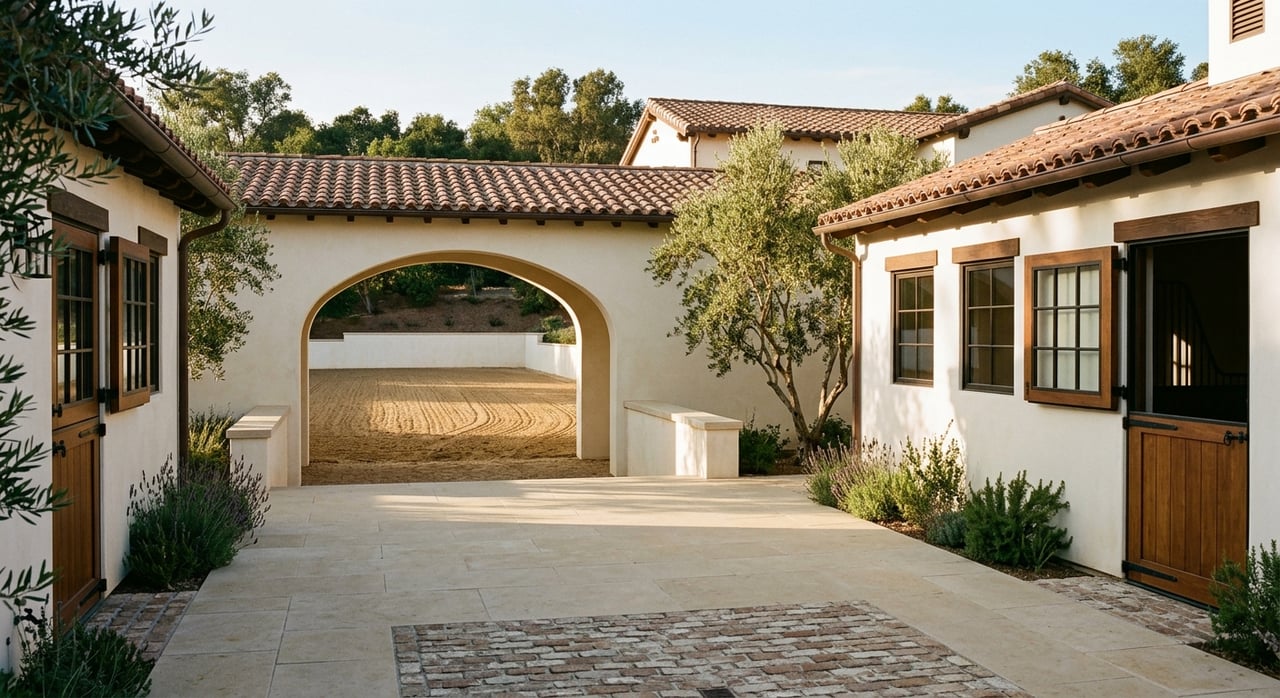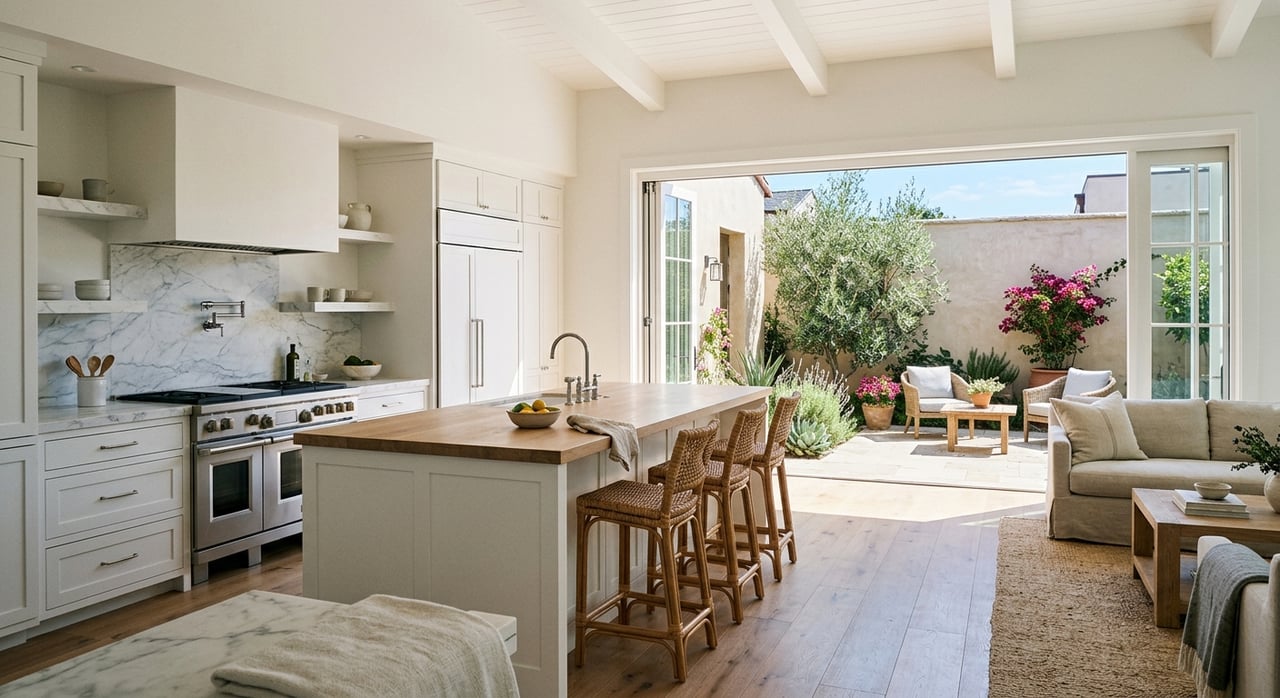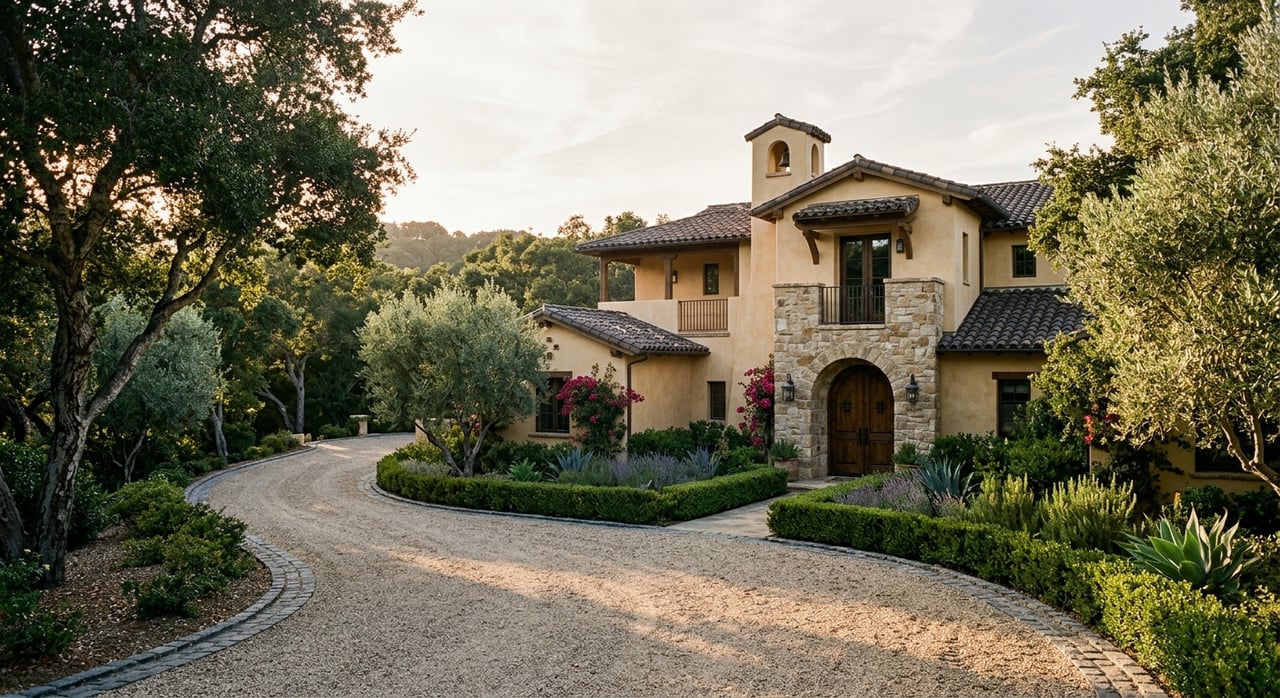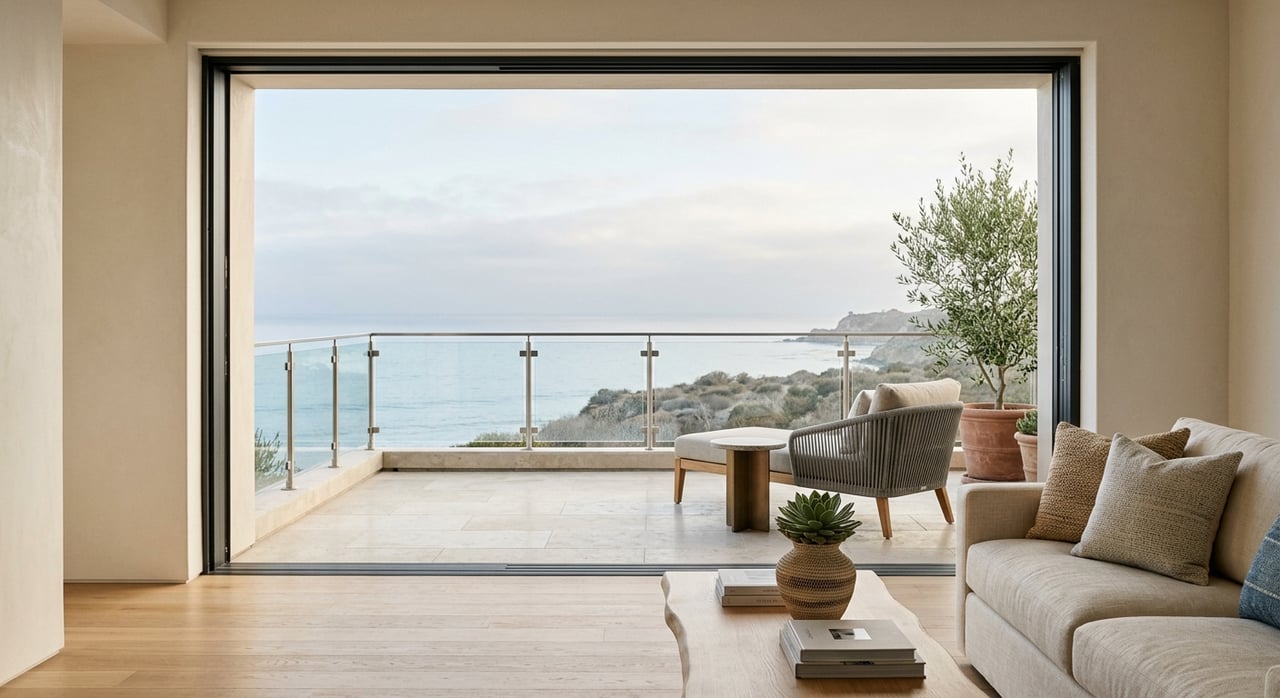
If you picture a second home in Laguna Beach as a simple beach escape, the reality is a bit more layered. You are buying into a premium coastal market where lifestyle, access, insurance, rental rules, and property constraints can all shape whether the home truly fits the way you plan to use it. The good news is that with the right strategy, you can buy with far more clarity and confidence. Let’s dive in.
Why Laguna Beach stands out
Laguna Beach is not just another coastal city in Orange County. It is a compact community of about 8.84 square miles that draws roughly six million visitors each year, which means second-home ownership here often comes with practical questions beyond the view.
If you plan to use the property part-time, it helps to think early about seasonality, traffic, parking, and how easy the home will be to lock and leave. Current public market trackers also show an average home value around $3.0 million, a median sale price per square foot around $1.53K, and homes going pending in about 43 days. That combination points to a high-value market that can still move quickly.
Laguna Beach also offers transportation options that can be helpful once you are in town. The city operates a free trolley and the Laguna Local on-demand shared ride service between residential neighborhoods and major activity areas, which can reduce how much driving you need to do during your stay.
Match the home to your lifestyle
One of the biggest mistakes second-home buyers make is focusing only on the house itself. In Laguna Beach, the micro-location often matters just as much.
The city describes North Laguna as having an intimate, tree-lined residential character. Woods Cove is known for ocean views set behind mature vegetation. Hilltop areas such as Arch Beach Heights and Top of the World offer elevated settings and broader views, with a more arid feel.
That variety matters because the right fit depends on how you want to live when you are here. If walkability, a softer coastal setting, or easier access to town matters most, one area may stand out. If your priority is panoramic views and a more elevated setting, another may be more aligned.
Consider access and day-to-day ease
Laguna Beach can change dramatically from one block to the next. The city notes that low-lying coastal neighborhoods tend to be more marine influenced, while hillside neighborhoods can be highly visible and may have narrower streets or only partial curb, gutter, and sidewalk improvements.
For you, that can affect guest parking, landscaping needs, move-in logistics, and even how easy the property is to access with groceries, deliveries, or service providers. If this will be a true lock-and-leave second home, those details deserve as much attention as finishes and views.
Understand community rules early
Some buyers are drawn to communities with stronger privacy and more defined neighborhood standards. City materials describe Three Arch Bay as an 88-acre gated community in South Laguna with low-density single-family homes and oceanfront lots. Emerald Bay is a community association in North Laguna, and Irvine Cove Beach is governed by the Irvine Cove HOA.
These settings can be very appealing, especially if you value privacy and structure. At the same time, association covenants, rules, and dues should be reviewed carefully before you move forward. A home may look perfect on paper, but the ownership experience depends in part on whether the community rules fit your expectations.
Budget for the true cost of ownership
The purchase price is only part of the financial picture. In Laguna Beach, second-home buyers should build a realistic carrying-cost plan before writing an offer.
California property tax is generally based on 1% of taxable value, plus voter-approved local assessments. After a change in ownership, you may also receive a supplemental assessment and supplemental tax bill. In Orange County, secured property taxes are due in two installments, with the first due November 1 and delinquent after December 10, and the second due February 1 and delinquent after April 10.
Second homes also usually do not qualify for the California homeowners’ exemption, since that benefit is limited to a principal residence occupied by the owner. Beyond taxes, your ownership budget may include HOA dues, insurance, utilities, landscaping, and ongoing maintenance.
Insurance can shape the decision
In Laguna Beach, insurance should be part of your planning from the start, not something you figure out after escrow opens. The city states that wildfire risk is its number one public safety threat, and properties in very high fire hazard areas must maintain defensible space.
For coastal and hillside homes, terrain and location can materially affect carrying costs. The city’s safety materials also point to shoreline erosion and bluff stability as real concerns for beach and bluff properties. If standard homeowners insurance is not available, the California Department of Insurance says the FAIR Plan serves as a coverage backstop.
A practical move is to request insurance quotes early, especially if you are looking at hillside, canyon-adjacent, bluff, or older custom properties. Sometimes the ongoing cost profile of a home becomes clear only after that step.
Know the short-term rental rules
Many second-home buyers ask the same question: can I rent the property out when I am not using it? In Laguna Beach, that answer depends on the property, its zoning, and the city’s current rules.
The city defines a short-term rental as 30 consecutive days or less. New short-term lodging is no longer allowed in residential districts such as R-1, R-2, and R-3. Permitted activity is limited to certain commercial and mixed-use districts under permit and city-wide caps, while existing permitted residential units may continue as legal nonconforming uses.
The city also states that ADUs may not be used as short-term rentals. So if your purchase strategy includes occasional vacation-rental income, you need to confirm actual eligibility instead of assuming a coastal property will qualify.
Factor in taxes and reporting
If a property is eligible for short-term lodging, there is still an operational side to consider. Operators must register for the city’s licensing and tax system.
Laguna Beach says short-term rentals are subject to a 12% transient occupancy tax plus a 2% Laguna Beach Tourism Marketing District assessment. Quarterly TOT reporting is also required even if no rentals occur during that reporting period. That means a rent-it-when-we-are-away plan only works if both the property and your willingness to manage compliance are in place.
Mixed personal and rental use needs planning
If you plan to use the home personally for part of the year and rent it at other times, recordkeeping becomes important. IRS guidance on vacation homes says expenses generally must be divided between personal and rental use.
A clear calendar of use, organized receipts, and a plan with your tax advisor can help you evaluate whether rental income is likely to offset enough of the carrying costs to make sense for your situation. In many cases, clarity here can shape what type of property you should target.
Due diligence matters more here
In a market like Laguna Beach, due diligence is not just a formality. It is one of the most important parts of the buying process.
The city’s Local Coastal Program was certified by the California Coastal Commission, and the city issues coastal development permits for many projects. However, CDP review remains under the Coastal Commission in Blue Lagoon, Irvine Cove, and Three Arch Bay.
That matters if you are thinking about remodeling, expanding, or reworking outdoor areas after closing. Exterior remodels, additions, and some site or view-related improvements can require design review or other approvals, so permit history should be verified before you assume a property can be changed easily.
Check buildability and site limits
For vacant lots or major rebuild plans, the city advises buyers to check whether a parcel is a designated building site in its GIS tools. In Laguna Beach, steep terrain, bluff edges, and older custom properties can make buildability and setback constraints just as important as the lot size or the ocean view.
Even if you are not planning a major project right away, it is wise to understand what is realistically possible with the property. Future flexibility can be a meaningful part of long-term value.
Review wildfire readiness
Wildfire and evacuation planning should be part of every second-home purchase in Laguna Beach. The city has adopted defensible-space rules for homes in very high fire hazard zones and updated local fire hazard severity zone maps.
For you, that means checking parcel-specific fire risk and discussing insurability early in the process. A beautiful home only makes sense as a second residence if the ownership obligations and risk profile are manageable for your lifestyle.
What a smart second-home purchase looks like
The best second home in Laguna Beach is not always the one with the biggest view or the flashiest finishes. Often, it is the property whose location, access, insurance profile, association rules, permit path, and rental eligibility all line up with how you actually plan to use it.
That may mean choosing a home that is easier to maintain, easier to insure, or easier to lock and leave. It may also mean passing on a property with strong emotional appeal if the rules or carrying costs do not support your goals.
A thoughtful buying strategy helps you enjoy the lifestyle Laguna Beach offers without being surprised by the realities of ownership. That kind of clarity is especially valuable in a market where every block can feel different.
If you are considering buying a second home in Laguna Beach, working with a local agent who understands the area’s micro-markets, gated communities, hillside nuances, and coastal due diligence can make the process far more efficient. If you want calm, strategic guidance tailored to your goals, connect with Vasi Vangelos.
FAQs
What should you look for when buying a second home in Laguna Beach?
- You should look at more than views and design. Pay close attention to access, parking, insurance, HOA rules, permit history, carrying costs, and whether the property fits how often you plan to use it.
Can you use a Laguna Beach second home as a short-term rental?
- Not always. Laguna Beach defines short-term rental as 30 consecutive days or less, and new short-term lodging is not allowed in residential districts such as R-1, R-2, and R-3.
Do second homes in Laguna Beach qualify for the California homeowners’ exemption?
- Usually no. The California homeowners’ exemption is generally limited to a principal residence occupied by the owner, so second homes typically do not qualify.
Why is insurance such a big issue for Laguna Beach second homes?
- Insurance can be a major factor because Laguna Beach identifies wildfire as its top public safety threat, and coastal or bluff properties may also involve shoreline erosion or bluff stability concerns that affect risk and cost.
What should you verify before buying a remodel candidate in Laguna Beach?
- You should verify permit history, possible design review requirements, and whether coastal development permit review may apply. In some areas, approval remains under the California Coastal Commission rather than the city.
Are all Laguna Beach neighborhoods the same for second-home buyers?
- No. North Laguna, Woods Cove, and hilltop areas such as Arch Beach Heights and Top of the World each offer different settings, access patterns, and ownership considerations, so neighborhood fit should be part of your decision from the start.