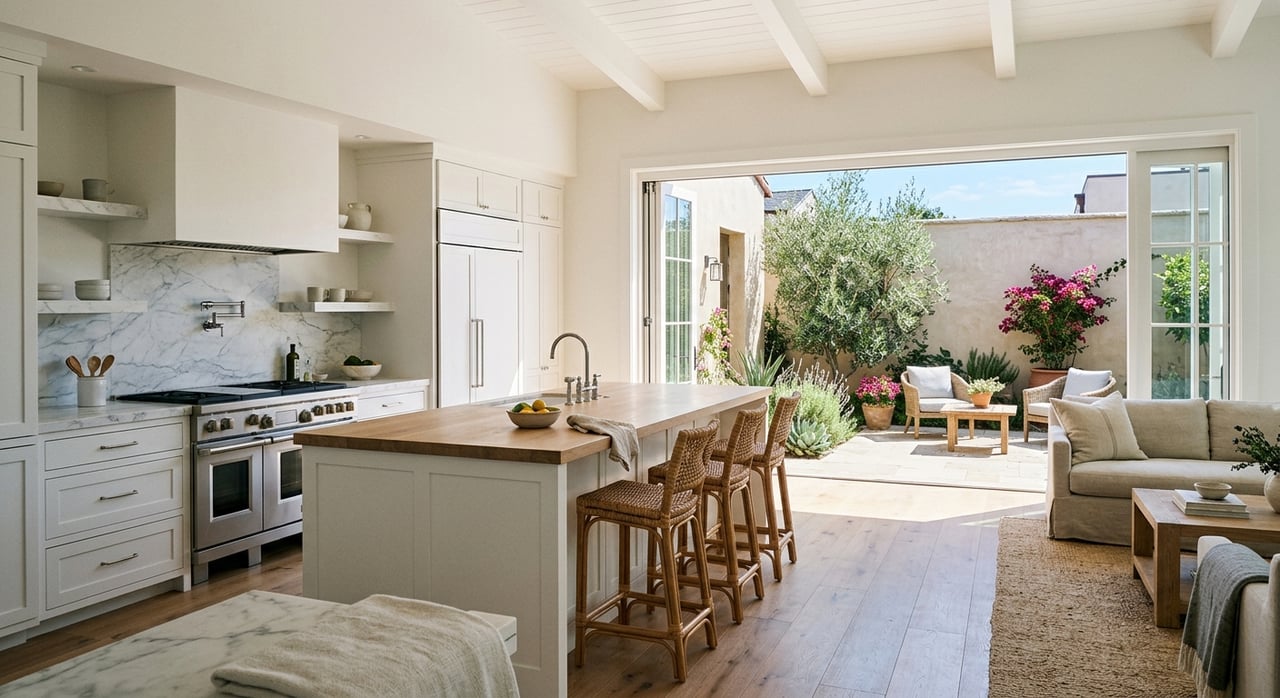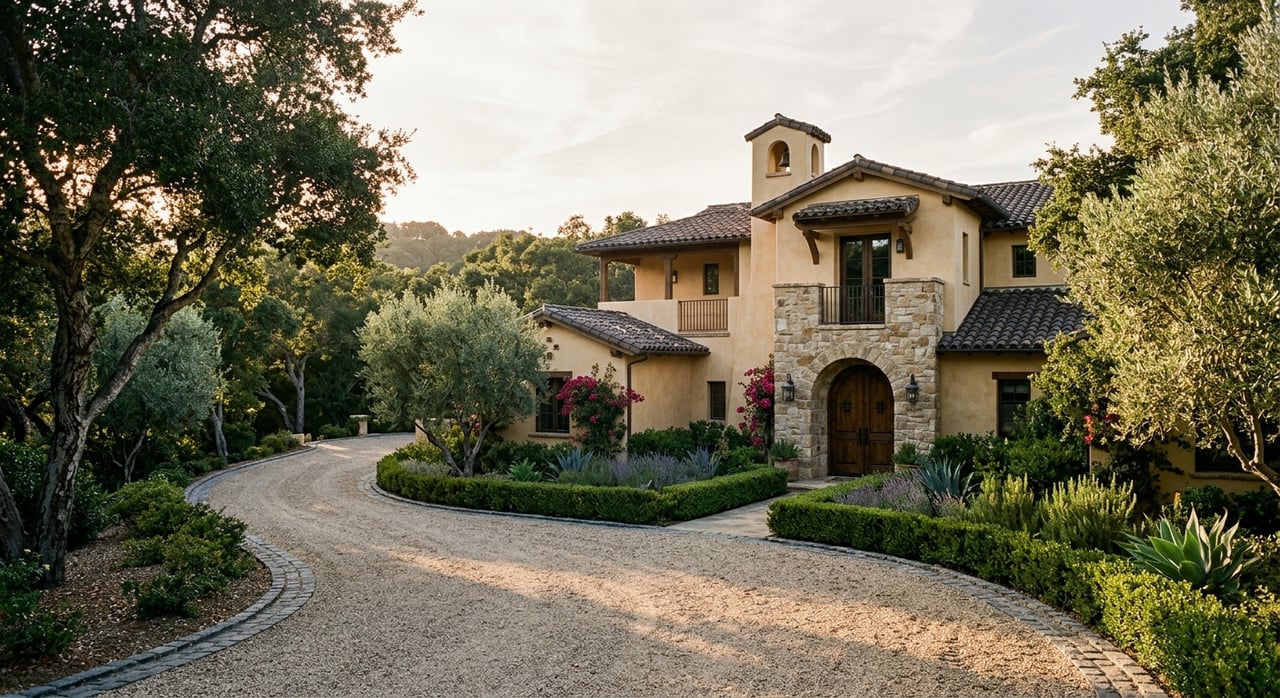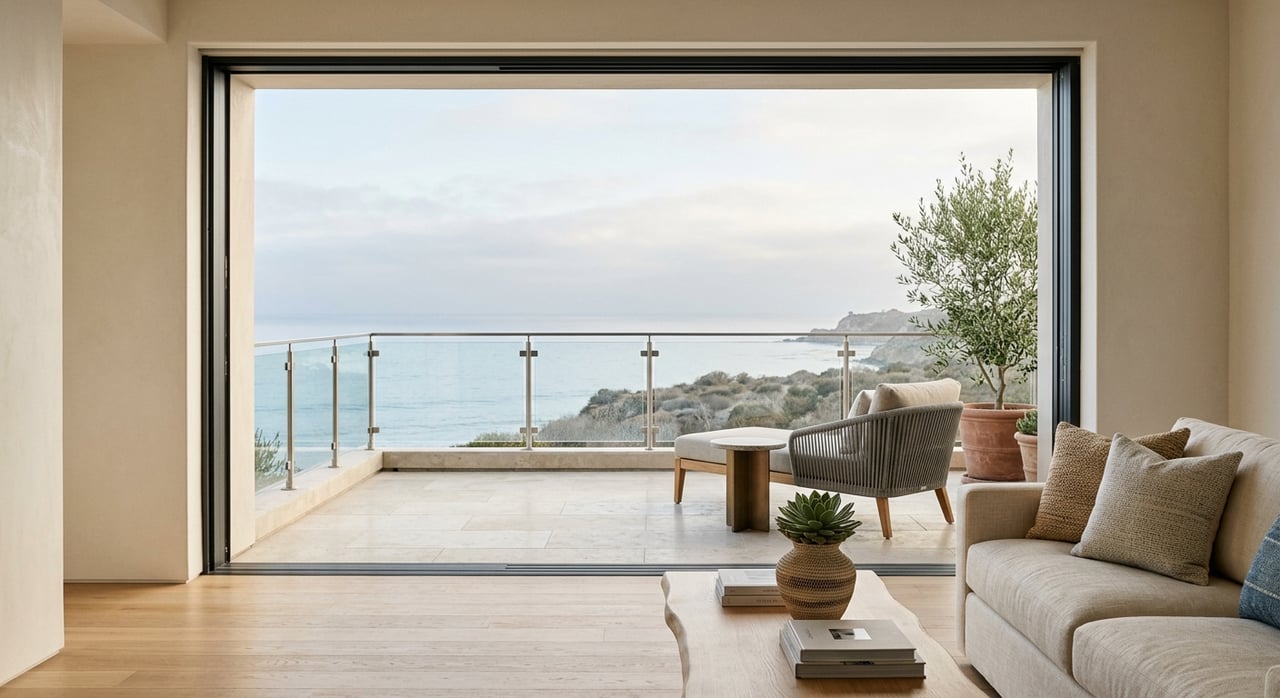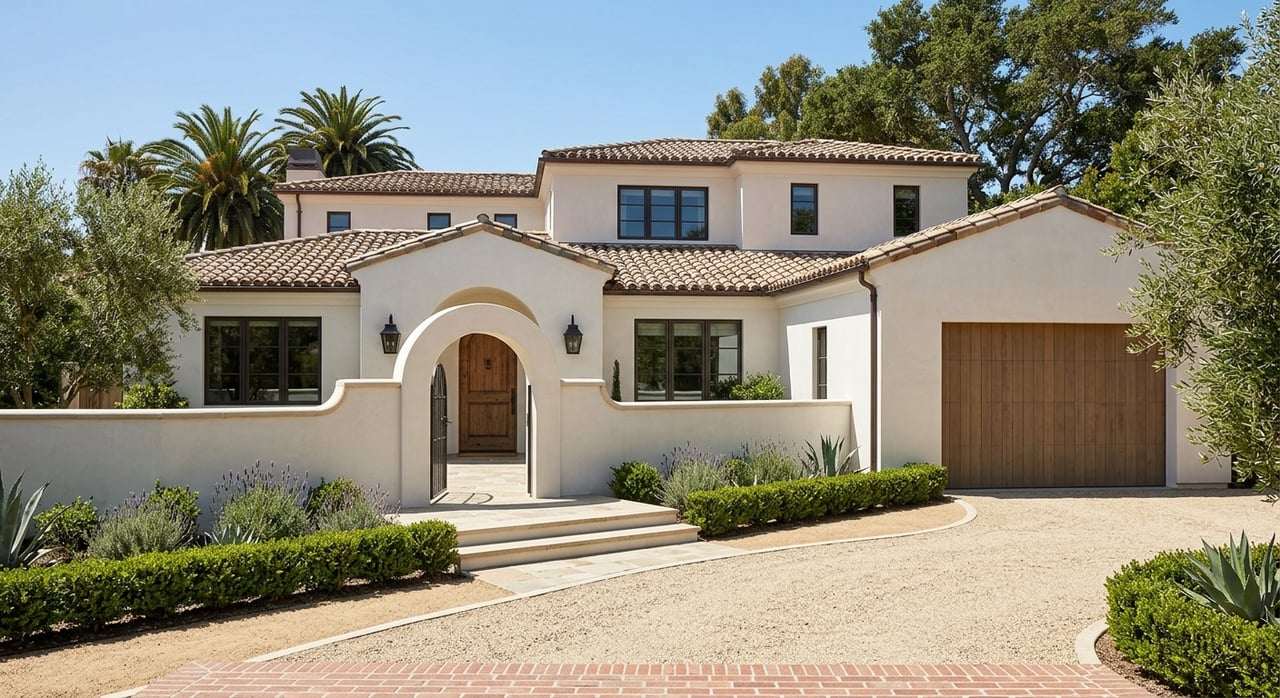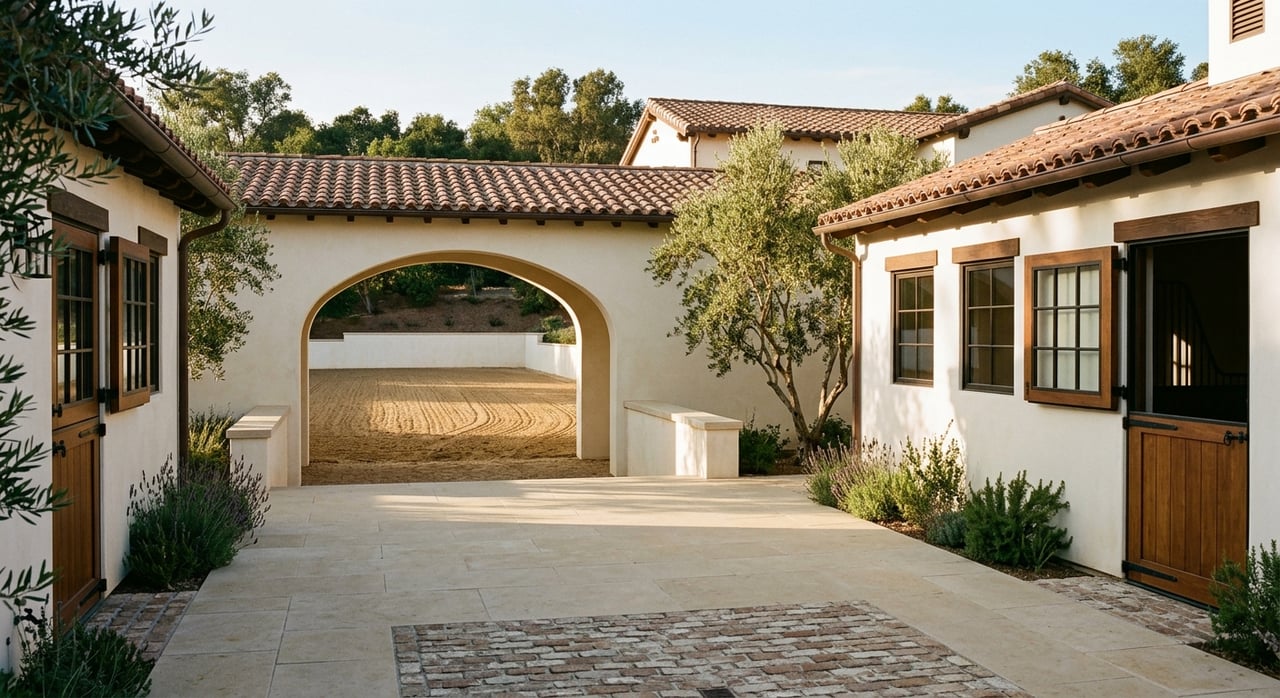
If you are selling an estate in San Juan Capistrano, square footage alone will not tell the full story. In this market, buyers often care just as much about usable land, privacy, outdoor living, and lifestyle potential as they do about the home itself. When your property is positioned the right way, you can help buyers see not only what the estate is, but how it lives. Let’s dive in.
Why San Juan Capistrano estates stand apart
San Juan Capistrano has a very specific identity within Orange County. The city is known for its equestrian roots, its trail network, agricultural land, and permanent open space, with 43 miles of unpaved hiking, mountain, and equestrian trails, about 230 acres of agricultural land, and more than 3,000 acres of permanent open space within just 14 square miles.
That matters because estate buyers here are often looking for more than a large house. They are looking for a property that supports a certain kind of lifestyle, whether that means horses, gardens, outdoor entertaining, privacy, or room to spread out. Your sale strategy should reflect that local reality from the start.
Lead with land utility
In San Juan Capistrano, usable acreage tends to matter more than raw acreage. A large parcel may sound impressive, but buyers usually want to know how much of the land is flat, functional, accessible, and easy to enjoy.
The city’s residential minimum lot sizes vary widely, from 4,000 square feet up to 2.5 acres. Estate-oriented zones such as RA, RSE-40,000, and RSE-20,000 carry minimum lot sizes of 2.5 acres, 40,000 square feet, and 20,000 square feet, and the city notes that 2.5-acre lots can support private non-commercial farming and non-commercial animal keeping as an accessory to residential use.
That is why your marketing should show how the land works in real life. If the property has paddocks, orchards, garden areas, guest space, large lawns, or multiple outdoor living zones, those features should be central to the presentation.
What buyers want to understand
Buyers considering an estate property here often ask practical questions before they get emotionally invested. The clearer your answers are, the stronger your position can be.
They may want to know:
- How much of the lot is flat and usable
- Whether horses are allowed on the property
- Where barns, corrals, or turnouts are located
- How access points, gates, and driveways function
- Whether the parcel connects naturally to the surrounding trail and open-space setting
Highlight equestrian potential carefully
San Juan Capistrano’s equestrian identity is part of what makes many estates here special. City code allows equines in several residential and agricultural districts, with standards that include one equine per 10,000 square feet of overall lot size. If a property is two acres or less, up to four equines may be kept without a conditional use permit.
For sellers, this means equestrian potential should be described with precision, not broad claims. If your property has horse facilities, trailer access, fencing, wash areas, or direct practical layout for equine use, those details matter. Buyers want clarity about what exists now and how the property supports that use.
Show function, not just beauty
A pretty barn photo is helpful, but it is not enough. Buyers need to see where the horse areas sit on the lot, how they connect to the residence, and whether the setup feels convenient and usable.
This is where visual planning can make a major difference. Aerial images, site maps, and thoughtful photography can help buyers understand the property much faster than a standard listing gallery alone.
Tell a legacy story when it fits
Some San Juan Capistrano estate properties offer more than land and amenities. They also carry a sense of continuity, architecture, and stewardship that can make the home feel distinct in a crowded luxury market.
The city notes a strong historic preservation context, including Los Rios Street Historic District, Mission Hill-Mission Flats, several adobes, ranch houses, farmhouses, and 13 sites or districts listed in the National Register of Historic Places. If your home has meaningful architectural character, long-term ownership history, or a setting that reflects the city’s heritage, that story may support stronger positioning.
That said, not every estate should be marketed as a legacy property. Sometimes the better angle is a polished turnkey lifestyle home with privacy, outdoor living, and ease of ownership. The right positioning depends on the property’s condition, setting, and improvements.
Use visuals that explain the estate
Estate marketing in San Juan Capistrano should feel more like a full property profile than a basic home listing. Since many of these homes derive value from the land, the visual package should help buyers understand scale, layout, and lifestyle.
The strongest visual strategy often includes:
- Aerial or drone photography to show parcel shape and usable area
- A site map or annotated floor plan to explain structures and access
- Twilight exterior images for mood and outdoor entertaining appeal
- Close-up photography of gates, fencing, patios, gardens, guest areas, and horse facilities where applicable
This approach helps answer the question buyers are already asking: How does this property actually live?
Price against niche comps, not city averages
Pricing an estate in San Juan Capistrano requires restraint and precision. Broad market numbers can be useful for context, but they should not drive the asking price for a land-heavy or highly specific property type.
Recent market snapshots show just how wide the spread can be. Redfin reported a March 2026 median sale price of $1.43 million, with homes selling in about 25 days and receiving around four offers on average. At the same time, Realtor.com’s current overview for ZIP 92675 showed 114 homes for sale, a $2.59 million median listing price, and 42 median days on market.
That gap is a reminder that San Juan Capistrano includes very different property tiers. For an estate, value can move significantly based on lot utility, privacy, equestrian setup, historic character, mature landscaping, and the quality of outdoor improvements.
What smart pricing looks like
A strong pricing strategy usually starts with the closest comparable estate sales, not a citywide median or a simple price-per-square-foot shortcut. In this market, buyers will compare your home to other properties with similar land use, not just similar interior size.
That means your pricing review should isolate factors such as:
- Parcel size and usable flat area
- Privacy and setting
- Horse facilities or agricultural utility
- Guest structures or outdoor amenities
- Architectural character and level of updates
- Ease of ownership for the next buyer
Prepare the property to reduce uncertainty
Luxury buyers are often willing to pay for a property that feels clear, well-documented, and easy to understand. In a market like San Juan Capistrano, uncertainty around land use or property improvements can slow momentum.
Before going to market, it helps to organize the facts that matter most. The goal is to reduce guesswork so buyers can focus on value instead of potential complications.
A practical seller checklist
For many San Juan Capistrano estate sellers, preparation should include:
- Confirming whether the property is historic or landmarked
- Verifying equine permissions and any conditional use permit status if applicable
- Documenting permits for barns, fences, hardscape, or major additions
- Reviewing access points, gates, and layout so the acreage presents as usable
- Identifying landscaping features that add value and any relevant restrictions tied to them
The city also requires Tree Removal Permits in certain situations, including trees on non-residential property, within HOA-maintained landscape, and in some residential yard locations such as front yards or side or rear yards that abut a street or trail. Heritage trees may receive additional protection when they meet the 36-inch trunk-diameter threshold.
If your estate has mature trees, that can be a real asset. It can also be a reason to document what can and cannot be altered before a buyer asks.
Reassure long-time owners and downsizers
Many estate sellers in San Juan Capistrano have owned their property for years. If that sounds like you, the most effective positioning may not be about making the home look bigger or flashier. It may be about showing that the property has been cared for, understood, and thoughtfully maintained.
That kind of clarity can be especially important for downsizers or long-time owners who want a smooth sale. Buyers often respond well when they can see what is already in place, what has been improved, and how the property can be enjoyed without a steep learning curve.
The strongest positioning angle
In San Juan Capistrano, the strongest estate marketing usually combines three things: a clear land-and-lifestyle story, visuals that explain how the property works, and pricing rooted in the right niche comparables. That approach respects what makes this market unique and helps the right buyer see the estate in full.
When your property is presented with that level of care, it becomes easier to move beyond generic luxury language. Instead, you can show buyers something much more compelling: a home with purpose, setting, and a real sense of place.
If you are preparing to sell and want a tailored strategy for your San Juan Capistrano estate, Vasi Vangelos offers polished marketing, local insight, and hands-on guidance designed for high-value Orange County properties.
FAQs
How should you price an estate in San Juan Capistrano?
- The best approach is to price against similar estate sales with comparable lot utility, privacy, improvements, and lifestyle features rather than relying on citywide median prices.
What makes a San Juan Capistrano estate more valuable to buyers?
- Buyers often place added value on usable land, privacy, equestrian potential, outdoor living, mature landscaping, and a strong overall lifestyle story.
Are horses allowed on residential estate properties in San Juan Capistrano?
- In several residential and agricultural districts, equines are allowed under city standards, including one equine per 10,000 square feet of lot size, and properties of two acres or less may keep up to four equines without a conditional use permit.
What should you disclose before listing an estate in San Juan Capistrano?
- Sellers should be ready to clarify whether the property is historic or landmarked, what permits exist for major improvements, whether equine use is allowed, and how the land can realistically be used.
Why do aerial photos matter for San Juan Capistrano estate listings?
- Aerial images help buyers understand parcel shape, usable space, access, and how outdoor features fit together, which is especially important in a land-driven estate market.
Do mature trees affect estate marketing in San Juan Capistrano?
- Yes, mature landscaping can add real appeal, but sellers should also understand local tree permit rules and any protections that may affect future changes to the property.