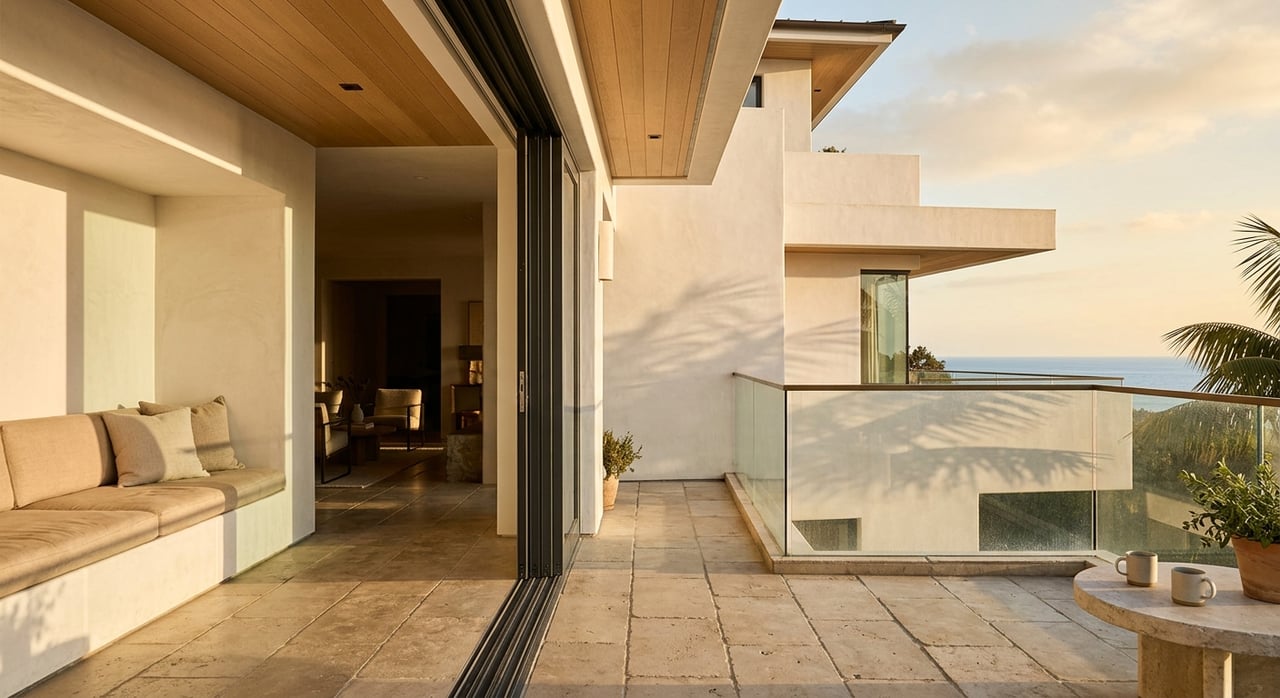
If you picture Laguna Beach as just a weekend destination, you may be surprised by how livable it feels day to day. Yes, the coastline is the headline, but everyday life here also includes walkable streets, neighborhood trailheads, local parks, art events, and routines shaped by a compact small-town setting. If you are wondering what it is really like to live here full time, this guide will walk you through the coastal lifestyle, the practical trade-offs, and the rhythms that define Laguna Beach. Let’s dive in.
What daily life feels like
Laguna Beach is a compact coastal city in southwest Orange County with about 23,000 residents spread across 8.84 square miles. According to the City of Laguna Beach, the city is built around beaches, hiking trails, a walkable downtown, and summer art festivals.
That setting shapes daily life in a very real way. More than half of the city’s land area is undeveloped and reserved for open space or recreation, which helps create the canyon-and-coast character many residents love. You get a small-town environment with easy access to both shoreline views and inland trails.
The weather also supports an outdoor routine for much of the year. The city notes that daytime highs are typically in the mid-60s in winter and around 80°F in warmer months. For many people, that means beach walks, patio dining, and trail outings become part of the normal weekly schedule, not just special occasions.
Beaches shape the routine
In Laguna Beach, the beach is not a once-in-a-while amenity. It is part of everyday life. The city lists 26 named beach areas, including Main Beach, Crescent Bay, Shaws Cove, Rockpile, Thalia Street, Brooks Street, Woods Cove, Victoria Beach, and Christmas Cove.
Each stretch of coastline offers a slightly different experience. Some areas are known for surfing or skimboarding, while others are better suited for walking, tide pooling, or simply spending time near the water. Many beaches also include practical features like showers and restrooms, which makes spontaneous visits easier.
Main Beach stands out as one of the most activity-rich spots in town. It includes volleyball courts, basketball courts, an ADA-accessible stairway, a playground, showers, and restrooms. Just above the coast, Heisler Park adds picnic tables, BBQs, and more restrooms, giving you another easy place to spend part of your day outdoors.
Trails and parks add balance
The coastal lifestyle here goes well beyond the sand. Laguna Beach also supports an active land-based routine with neighborhood trail access, inland parks, and open space close to residential areas. That can make it easier to stay active without planning a long drive.
The city says popular tide-pool spots include Main Beach, Shaws Cove, and Treasure Island. It also notes that most local trails are groomed and well marked, with trailheads in neighborhoods and parks.
For larger trail networks, many routes connect into regional open space. OC Parks says Aliso and Wood Canyons includes more than 30 miles of official trails, while Laguna Coast Wilderness Park spans 7,000 acres within a nearly 20,000-acre South Coast Wilderness area.
City parks also expand your options inland. The city parks system includes places like Alta Laguna Park and Moulton Meadows Park, where you will find trailheads, tennis and pickleball courts, soccer fields, playgrounds, fitness circuits, and picnic areas. That variety helps create a lifestyle that feels active and outdoorsy, even when you are not headed to the beach.
Downtown is small and walkable
One of Laguna Beach’s biggest lifestyle advantages is that daily conveniences and leisure activity are concentrated in a relatively compact footprint. Rather than large commercial strips, much of the dining and shopping scene is woven into smaller, walkable areas.
According to Visit Laguna Beach, the city has more than 100 restaurants along its seven-mile coastline, and most are independently owned. That gives the dining scene a more local, small-scale feel, with everything from casual cafes to ocean-view restaurants.
Several districts add to that walkable rhythm. The official HIP District directory describes a seven-block stretch along Pacific Coast Highway with 26 art galleries, 17 restaurants, and coffee shops. The Promenade on Forest functions as an outdoor dining and retail pedestrian plaza, which reinforces the idea that in Laguna Beach, strolling downtown can be part of your regular routine.
The city is also investing in the experience of being on foot. Its downtown streetscape plan focuses on wider sidewalks, better crossings, more landscaping, and additional outdoor dining and gathering space. For residents, that supports a lifestyle that feels more connected and less car-dependent once you are in town.
Arts are part of everyday culture
Laguna Beach has a strong arts identity, and that is not limited to peak tourist season. The city’s arts organizations directory includes the Festival of Arts, First Thursday’s Art Walk, Laguna Art Museum, Laguna Playhouse, Laguna College of Art & Design, Laguna Beach Live, No Square Theatre, Laguna Dance Festival, and Sawdust Art Festival.
For residents, that creates a cultural calendar that feels unusually full for a city of this size. You are not relying on occasional big events alone. There are galleries, performances, exhibitions, and arts programming woven into the local identity throughout the year.
Summer, of course, is especially active. The city highlights Sawdust, Art-A-Fair, Festival of Arts, and Pageant of the Masters as the core festival cluster. These events are a major draw and part of what makes Laguna Beach unique, but they also bring larger crowds and heavier traffic.
Getting around takes planning
Living in Laguna Beach means enjoying a beautiful setting, but it also means adapting to a geography shaped by coastline, hills, and canyon roads. Most arrivals come through Pacific Coast Highway or Highway 133 and Laguna Canyon Road via the 405 or 5 freeways, according to Visit Laguna Beach’s directions page.
Inside town, there are helpful local transportation options. The city runs a free trolley along Coast Highway, and Laguna Local is a free on-demand service connecting neighborhoods with major activity centers. Visit Laguna Beach says Laguna Local serves more than 150 pickup and drop-off locations and usually has a 15 to 30 minute wait.
That said, many residents still build their day around timing. Traffic patterns can shift with the season, weekends, and events. If you are considering a move here, it helps to think through your likely routes, favorite activity areas, and how often you plan to go in and out of town.
Commuting is common
Laguna Beach offers a distinctive lifestyle, but it is not primarily a self-contained office market. The city’s 2023 hazard plan says about 87% of employed residents work outside Laguna Beach, often in Irvine, Newport Beach, and other Orange County communities.
The same report says about 67% of resident commuters travel less than 25 miles, while roughly 33% travel 50 miles or more, largely toward Los Angeles. That means many residents make a trade-off: they choose the lifestyle here and accept that work may be elsewhere.
At the same time, the city does have local employers in hospitality, education, healthcare, government, and the arts. The hazard plan lists employers such as Montage Laguna Beach, the Laguna Beach School District, Mission Hospital, the City of Laguna Beach, Surf and Sand Resort, Laguna College of Art & Design, Las Brisas, Pacific Edge Hotel, Mozambique, and Whole Foods. For some residents, that creates opportunities to stay more local, but many still commute.
The trade-offs are real
Laguna Beach has obvious appeal, but it is important to understand the practical side of living here. The same qualities that make the city attractive also draw a very large number of visitors. According to the city, Laguna Beach welcomes about six million visitors each year.
That visitor activity can affect parking, traffic, and how busy certain areas feel, especially in summer and around major events. The city’s Neighborhood & Environmental Protection Plan was created to reduce visitor impacts and support services like police protection, parking enforcement, trash pickup, and environmental programs.
For many residents, the key is knowing what you are signing up for. If you value walkability, coastline access, open space, and a rich arts culture, Laguna Beach offers a lot in a compact setting. If you need quick regional access at all times or prefer quieter commercial areas year-round, the seasonal crowds may feel like more of a factor.
Who tends to love living here
Laguna Beach often appeals to people who want lifestyle to play a central role in where they live. That can include buyers looking for a full-time coastal home, second-home owners who want easy access to beaches and culture, and people relocating within Orange County for a more distinct day-to-day environment.
It can also be a strong fit if you enjoy routines built around outdoor access. Morning beach walks, neighborhood trail runs, dinner downtown, and regular arts programming are all realistic parts of life here. The city’s size and layout make those routines feel accessible rather than aspirational.
At the same time, success here often comes down to matching your priorities with the right pocket of town and the right property type. Because Laguna Beach is highly nuanced block to block and canyon to coast, local guidance matters when you are evaluating what everyday life will feel like from a specific address.
Finding the right fit in Laguna Beach
If you are exploring a move to Laguna Beach, it helps to look past the postcard version and focus on your actual routine. Think about how often you want to walk to dining or the beach, whether trail access matters to you, how much you commute, and how you feel about seasonal activity.
That kind of clarity can make your home search much more productive. In a market as local and lifestyle-driven as Laguna Beach, the best choice is often the home that supports your daily rhythm, not just the one with the most dramatic first impression.
If you want thoughtful guidance on Laguna Beach and the broader South Orange County market, Vasi Vangelos offers calm, strategic support built around local knowledge, strong communication, and a high-service experience.
FAQs
What is everyday life like in Laguna Beach?
- Everyday life in Laguna Beach often centers on beach access, walkable downtown areas, neighborhood trailheads, local parks, and a year-round arts presence in a compact coastal setting.
What outdoor activities are available in Laguna Beach?
- Laguna Beach offers beaches, tide pooling, surfing areas, skimboarding areas, neighborhood parks, and trail access that connects to larger systems like Aliso and Wood Canyons and Laguna Coast Wilderness Park.
What is downtown Laguna Beach like for residents?
- Downtown Laguna Beach is relatively small and walkable, with independently owned restaurants, galleries, coffee shops, pedestrian-friendly areas, and ongoing city improvements aimed at comfort and public gathering.
How do people get around in Laguna Beach?
- Residents and visitors often use Pacific Coast Highway and Laguna Canyon Road, while local options include a free trolley along Coast Highway and the free on-demand Laguna Local service.
Do most Laguna Beach residents work in town?
- No. According to the city’s hazard plan, most employed residents work outside Laguna Beach, with many commuting to Irvine, Newport Beach, and other Orange County job centers.
What are the main trade-offs of living in Laguna Beach?
- The biggest trade-offs are visitor-driven traffic, parking pressure, and seasonal crowds, especially during summer festivals and peak beach periods.